
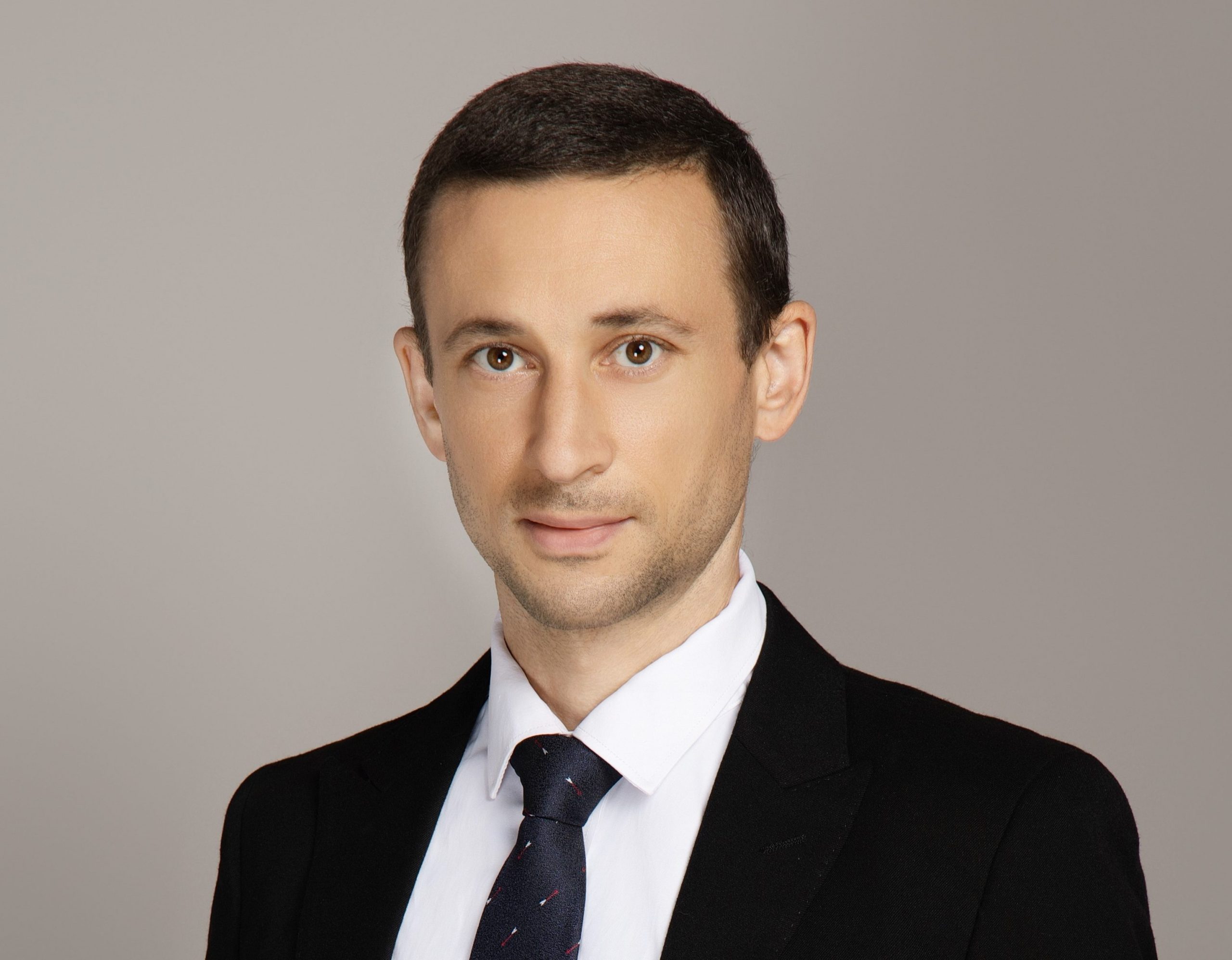
Mathieu Bazaud is a French engineer focusing on the decarbonisation of industrial value chains and the global economic system. Trained in energy engineering and international project management, he has spent more than ten years at the interface of technology, policy and business—working on district-heating projects, helicopter development, supply-chain optimisation, EU-funded circular-economy initiatives, and, most recently, regional net-zero roadmaps. In 2024 he founded The Carbon Compass, an independent platform analysing how climate imperatives and shifting geopolitics reshape energy trade and the configuration of global value chains and economics.
At KLU, Mathieu’s PhD, supervised by Prof. Gordon Wilmsmeier and Prof. Hanno Friedrich, investigates “Low- and Zero-Emission Fuels Port Geographies” within the MSCA-DN POTENT network, developing decision-support tools that link port location factors, low- and zero-emission fuels supply chains and global power realignments. He is passionate about research that bridges academia, industry and policy.
Low- and Zero-Emission Fuels Port Geographies
This project develops a geoeconomic understanding of “Low and zero emission fuels (LZEF) port geographies” by analyzing ports as strategic nodes within emerging hydrogen value chains. It frames this analysis within the current era of geopolitical competition and a global shift towards multipolarity.
The research follows a progressive approach:
- First, it establishes a foundational framework for port location-specific factors.
- Second, it uses scenario analysis to model the impact of investment strategies on the resilience and configuration of hydrogen value chains and shipping networks.
- Third, it assesses how these transformations redistribute geoeconomic power among stakeholders in the energy sector.
The overarching contribution is to illuminate how geoeconomic power and hierarchies are being reshaped by the imperative to decarbonize in a world of rising national security concerns. The goal is to deliver a “Strategic Compass” that helps stakeholders navigate the critical trade-offs between economic efficiency, resilience, and decarbonization in this new, volatile environment.