
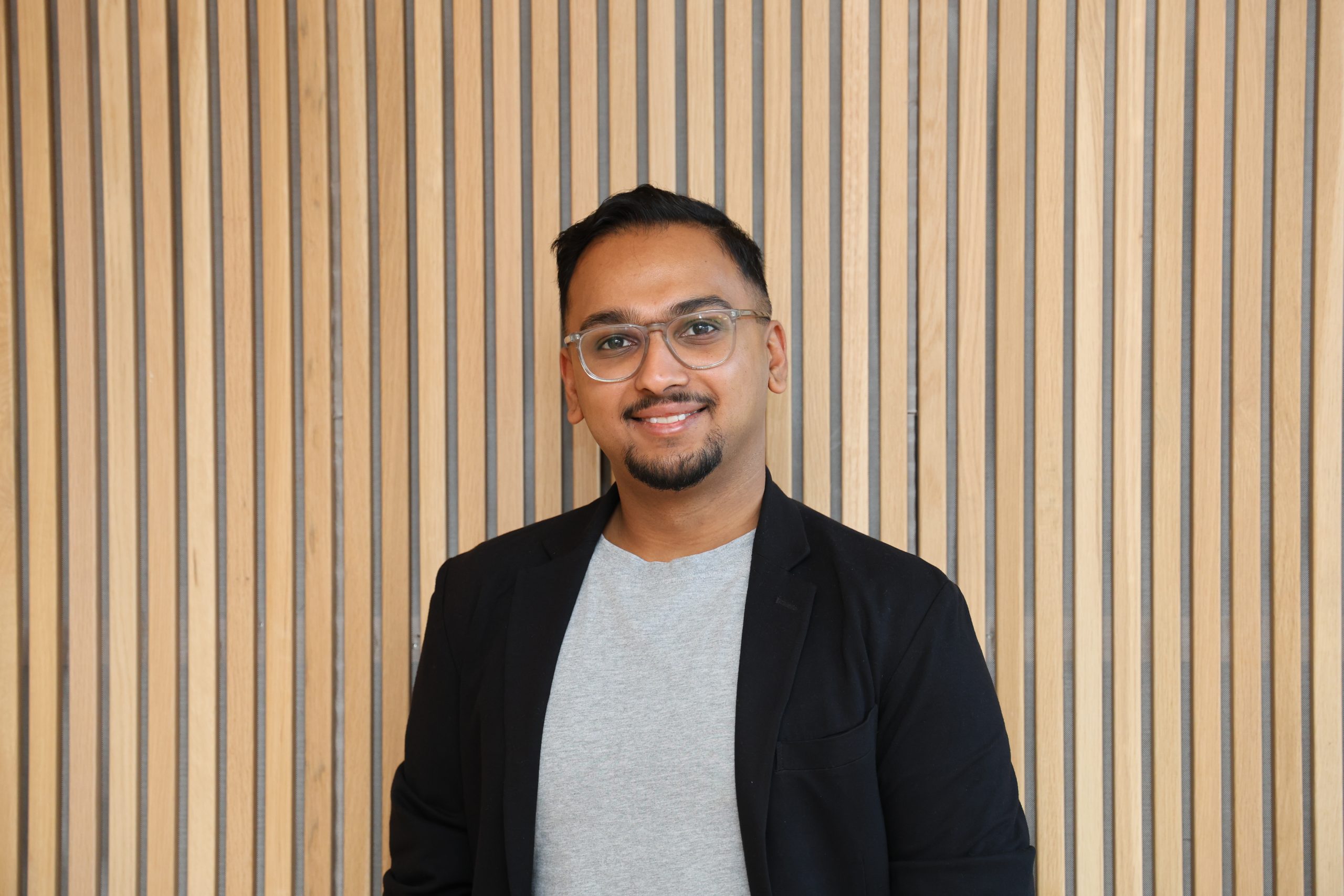
Hello! I am Arunava Acharyya, an energy sector professional with a deep passion for business development and energy transitions. I hold a Double Master of Science degree in Renewable Energy , specializing in Electrical Engineering at KTH Royal Institute of Technology in Sweden and Energy Engineering at the Polytechnic University of Catalonia in Spain. Prior to this, I completed my Bachelor of Engineering in Mechanical & Aerospace Engineering at Tohoku University in Japan. Professionally, I have dedicated my career to driving decarbonization. My experience includes working as a Business Innovation Professional at EDP in Lisbon, where I managed mobility solutions and engaged with global startups. I also worked as a Technical Analyst at Azelio AB in Stockholm, designing energy storage solutions and developing financial models for markets across Africa, Europe, and the USA. Outside of my professional life, you can find me playing table tennis, chess, or football. I also love cooking, traveling, and exploring nature through hiking, enjoying the winter with snowboarding and have recently also become a certified diver.
Business models and value chains for the energy transition in transport
I will be working on two main topics as envisaged at the moment:
- Investigate the problem of ‘two sided markets’ (one needs investments both in port – for charging, for instance – and in vessels)
- Further research on co-investments and path dependence. One idea is that a path starts with two ports and vessels traveling between them, and then subsequent investments follow: if such a sequence is important, can it motivate the starting point itself?
The energy transition presents opportunities and challenges to ports, which increasingly must adapt to pressure and external requirements and adopt new strategies and innovative approaches for creating value for key stakeholders and society, and for capturing part of that value. At the same time, ports to varying degrees have the ability (knowledge, power, services, relationships) to deploy resources for facilitating the energy transition. Particularly, I would be investigating how ports can leverage their central locational assets (e.g. land, traffic accessibility, terminal infrastructures, industrial clusters, energy infrastructures, and access to the broader hinterland) in new combinations to facilitate the decarbonization of shipping and other hard-to-abate sectors.